








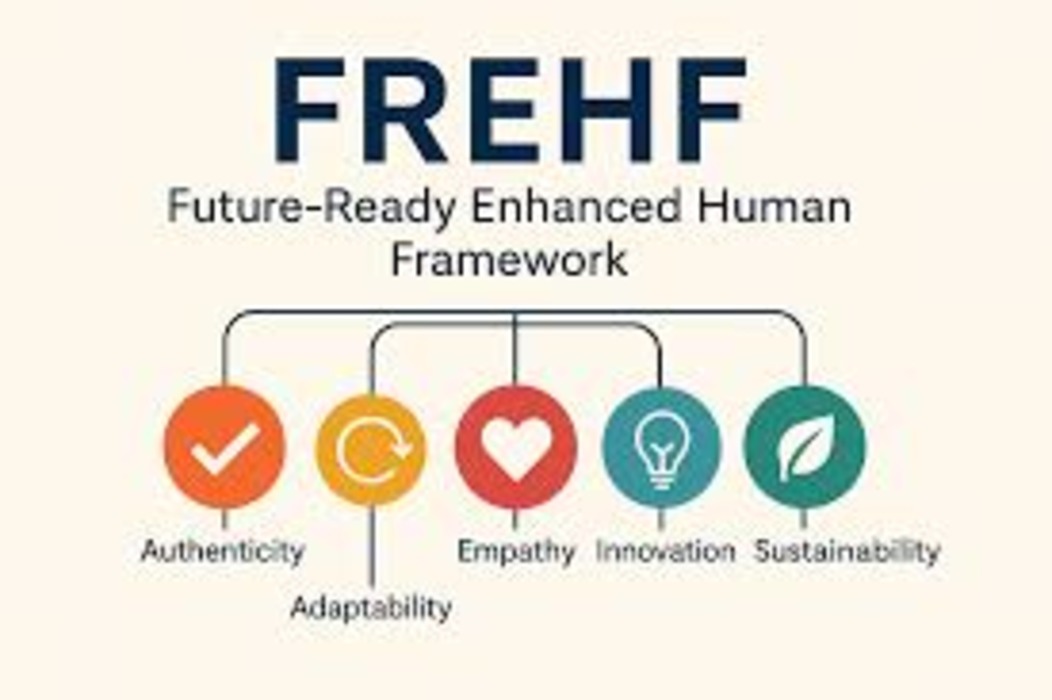
In a world where data drives nearly every business decision, a new concept is quietly gaining traction among founders, product builders, and tech professionals: frehf. While the term may sound unfamiliar at first, its underlying philosophy is highly relevant to how modern organizations operate. Frehf represents a shift toward more adaptive, efficient, and context-aware decision-making systems—something every startup and digital enterprise is striving to master.
As companies face increasing complexity, tighter margins, and faster innovation cycles, traditional models of planning and execution are starting to feel outdated. Frehf enters the conversation as a framework that blends flexibility, human intuition, and intelligent automation into a cohesive approach. It is not just a buzzword; it’s a reflection of how forward-thinking teams are reimagining workflows and strategy.
Understanding Frehf in a Practical Context
At its core, frehf is about reducing friction between data, decisions, and outcomes. It emphasizes responsiveness over rigidity and insight over assumption. Instead of relying solely on static plans or historical data, frehf encourages systems that learn, adapt, and evolve in real time.
Think of a startup launching a new product feature. In a traditional setup, decisions would rely on pre-launch research, projected metrics, and fixed timelines. With a frehf-driven approach, that same team continuously adjusts based on live user behavior, feedback loops, and predictive signals. The result is not just faster execution, but smarter execution.
This makes frehf particularly valuable in environments where uncertainty is high and speed matters. Whether it’s SaaS platforms, fintech products, or digital marketplaces, the ability to pivot intelligently is a competitive advantage.
Why Frehf Matters for Modern Startups
Startups operate in conditions that are inherently volatile. Limited resources, evolving markets, and intense competition require a level of agility that traditional business frameworks often fail to support. Frehf addresses this gap by aligning decision-making with real-time insights and adaptive systems.
For founders, this means fewer blind spots. Instead of committing to long-term strategies without flexibility, frehf allows for continuous recalibration. It also reduces the cost of mistakes, since decisions are not locked in—they evolve.
For product teams, frehf enhances user-centric design. By constantly integrating user data into the development cycle, teams can create experiences that feel intuitive and relevant. This leads to higher engagement, better retention, and stronger product-market fit.
For investors and stakeholders, frehf-driven organizations often appear more resilient. Their ability to respond quickly to market changes signals operational maturity and strategic awareness.
The Core Principles Behind Frehf
To understand how frehf works in practice, it helps to break it down into its core principles. These are not rigid rules but guiding ideas that shape how teams think and operate.
Adaptability is the foundation. Frehf systems are designed to evolve continuously rather than follow fixed paths. This ensures that decisions remain relevant even as conditions change.
Data Fluidity is equally important. Instead of treating data as static reports, frehf treats it as a living resource that informs every step of the process.
Human-AI Collaboration plays a central role. Frehf does not replace human judgment; it enhances it. By combining human intuition with machine intelligence, organizations can achieve more balanced and effective outcomes.
Feedback Integration ensures that learning is constant. Every action generates insights, which are then fed back into the system to improve future decisions.
Frehf vs Traditional Decision Models
To fully appreciate the impact of frehf, it’s useful to compare it with more conventional approaches.
| Aspect | Traditional Model | Frehf Approach |
|---|---|---|
| Decision Timing | Periodic and scheduled | Continuous and real-time |
| Data Usage | Historical and static | Live and dynamic |
| Flexibility | Low | High |
| Risk Management | Reactive | Proactive |
| Learning Cycle | Slow and segmented | Fast and integrated |
This comparison highlights a key shift: frehf transforms decision-making from a linear process into a dynamic ecosystem. It allows businesses to move from “plan and execute” to “sense and respond.”
Implementing Frehf in Your Organization
Adopting frehf does not require a complete overhaul of your existing systems. Instead, it starts with a mindset shift and gradually integrates into your processes.
The first step is to rethink how decisions are made. Encourage teams to rely on real-time data rather than fixed assumptions. This might involve upgrading analytics tools or integrating dashboards that provide continuous insights.
The second step is to shorten feedback loops. Whether it’s through customer feedback, A/B testing, or internal reviews, the goal is to create a constant flow of information that informs decisions.
The third step is to empower teams. Frehf thrives in environments where individuals can act on insights without excessive bureaucracy. This requires trust, clear communication, and a culture that values experimentation.
Finally, invest in technology that supports adaptability. AI-driven analytics, automation tools, and cloud-based platforms all play a role in enabling frehf-driven systems.
Real-World Applications of Frehf
Frehf is not just a theoretical concept; it is already being applied across industries in subtle but impactful ways.
In e-commerce, companies use frehf principles to adjust pricing, recommendations, and inventory in real time based on user behavior and market trends. This leads to more personalized experiences and improved conversion rates.
In fintech, frehf helps platforms detect fraud, assess risk, and optimize transactions dynamically. The ability to adapt instantly to changing conditions is critical in such high-stakes environments.
In SaaS, frehf drives product development by continuously analyzing user interactions and refining features accordingly. This ensures that products remain aligned with user needs.
Even in marketing, frehf is reshaping campaign strategies. Instead of running static campaigns, teams now adjust messaging, targeting, and budgets based on live performance data.
Challenges and Misconceptions Around Frehf
Despite its advantages, frehf is not without challenges. One common misconception is that it requires advanced AI systems or large-scale infrastructure. While technology plays a role, the essence of frehf lies in how decisions are approached, not just the tools used.
Another challenge is cultural resistance. Teams that are привыкed to structured planning may find it difficult to embrace a more fluid approach. This is where leadership becomes crucial. Clear communication and gradual implementation can help ease the transition.
There is also the risk of over-reliance on data. Frehf emphasizes data-driven decisions, but it does not eliminate the need for human judgment. Striking the right balance is key.
The Future of Frehf in Digital Transformation
As digital ecosystems continue to evolve, the relevance of frehf is only expected to grow. With the rise of AI, machine learning, and real-time analytics, organizations have more tools than ever to implement adaptive decision-making systems.
In the future, frehf could become a standard framework for how businesses operate. It aligns naturally with trends such as automation, personalization, and decentralized decision-making. Companies that embrace it early are likely to gain a significant edge.
For startups, this represents an opportunity to build systems that are inherently flexible from the ground up. For established enterprises, it offers a pathway to modernize operations without losing strategic control.
Conclusion: Why Frehf Is More Than Just a Trend
Frehf is not just another industry buzzword—it is a reflection of how the nature of decision-making is changing in the digital age. By prioritizing adaptability, real-time insights, and continuous learning, frehf provides a framework that is both practical and forward-looking.
For founders, entrepreneurs, and tech professionals, the message is clear: the ability to adapt is no longer optional. It is a core requirement for success. Frehf offers a way to build that adaptability into the very fabric of your organization.
As you navigate the complexities of modern business, consider how frehf can reshape your approach. The goal is not perfection, but progress—smarter decisions, made faster, with better outcomes.