










In the rush to build, scale, and modernize, many businesses overlook one critical factor that doesn’t show up on balance sheets—environmental and material risk. Among these, asbestlint has emerged as a term gaining attention across construction, facility management, and even startup ecosystems tied to real estate and infrastructure. While it may sound technical or niche, asbestlint represents a very real concern with far-reaching consequences.
For entrepreneurs and tech professionals, especially those involved in proptech, construction tech, or industrial operations, understanding asbestlint is not just about compliance—it’s about responsibility, risk mitigation, and long-term value creation. In a world where sustainability and safety increasingly define brand trust, overlooking issues like asbestlint can be costly.
What Is Asbestlint?
Asbestlint refers to fine, lint-like particles or fibers associated with materials containing Asbestos. These microscopic fibers can become airborne when asbestos-containing materials are disturbed, deteriorate over time, or are improperly handled.
Unlike larger debris that can be easily identified and removed, asbestlint is particularly dangerous because it is often invisible to the naked eye. Once airborne, these fibers can be inhaled, posing serious health risks.
Historically, asbestos was widely used for its durability, heat resistance, and insulating properties. It was a staple in construction materials, insulation, and industrial products. However, as research revealed its health hazards, regulations tightened across the globe.
Despite this, many older buildings still contain asbestos, making asbestlint a persistent issue in renovation, demolition, and maintenance projects.
Why Asbestlint Matters in Today’s Business Environment
For modern businesses, especially startups operating in physical spaces, asbestlint is more than a technical concern—it’s a strategic issue. Whether you’re leasing office space, managing warehouses, or developing real estate projects, exposure to asbestos-related risks can impact operations, finances, and reputation.
Consider a growing startup moving into an older building to reduce costs. Without proper inspection, the presence of asbestos materials could lead to contamination during renovations. This not only halts operations but also introduces legal liabilities and health risks for employees.
In industries such as construction tech and facility management, asbestlint is even more critical. Companies in these sectors must integrate safety protocols into their workflows to ensure compliance and protect stakeholders.
The Science Behind Asbestlint
Understanding asbestlint requires a basic grasp of how asbestos behaves. Asbestos fibers are incredibly small and lightweight. When materials containing asbestos degrade, they release these fibers into the air.
Once inhaled, the fibers can lodge in the lungs and remain there for years. Over time, this can lead to serious conditions such as Asbestosis and even cancers like Mesothelioma.
What makes asbestlint particularly concerning is its persistence. These fibers do not break down easily, meaning that exposure risks can remain long after the initial disturbance.
For businesses, this underscores the importance of proactive management. Waiting until a problem arises is not an option—by then, the damage may already be done.
Common Sources of Asbestlint
Asbestlint can originate from a variety of materials, particularly in older structures. These include insulation, ceiling tiles, flooring, roofing materials, and pipe coverings.
In many cases, these materials are safe when intact. The risk arises when they are disturbed—during renovations, repairs, or even routine maintenance. This is when fibers are released into the air.
For startups operating in shared or refurbished spaces, this risk is often overlooked. However, asbestlint does not discriminate based on company size. Whether you’re a small team or a large enterprise, the exposure risk remains the same.
Identifying and Managing Asbestlint Risks
Addressing asbestlint begins with awareness. Businesses must first recognize the potential presence of asbestos-containing materials in their environments.
Professional inspections are a critical first step. Certified experts can assess buildings and identify materials that may pose a risk. This is particularly important for older properties.
Once identified, management strategies can be implemented. These may include encapsulation, where materials are sealed to prevent fiber release, or removal by licensed professionals.
It’s important to note that improper handling can worsen the situation. Attempting to remove asbestos without proper training and equipment can increase the release of asbestlint.
Asbestlint and Regulatory Compliance
Regulations surrounding asbestos vary by region, but the underlying principle is consistent: minimize exposure and protect public health. Businesses must comply with these regulations to avoid legal and financial consequences.
For startups, compliance may seem like an administrative burden. However, it’s also an opportunity to build trust. Demonstrating a commitment to safety and environmental responsibility can enhance brand reputation.
In many cases, compliance also aligns with broader sustainability goals. Reducing environmental hazards contributes to healthier workplaces and communities.
Comparing Risk Levels Across Scenarios
To better understand how asbestlint impacts different environments, consider the following comparison:
| Scenario | Risk Level of Asbestlint | Key Considerations |
|---|---|---|
| New Construction | Low | Modern materials, minimal exposure |
| Renovation of Older Buildings | High | Disturbance releases fibers |
| Routine Maintenance | Moderate | Depends on material condition |
| Demolition Projects | Very High | Significant fiber release potential |
| Controlled Removal Operations | Low (if managed properly) | Requires certified professionals |
This table highlights why proactive planning is essential. The level of risk varies significantly depending on the context, but it can always be managed with the right approach.
The Role of Technology in Managing Asbestlint
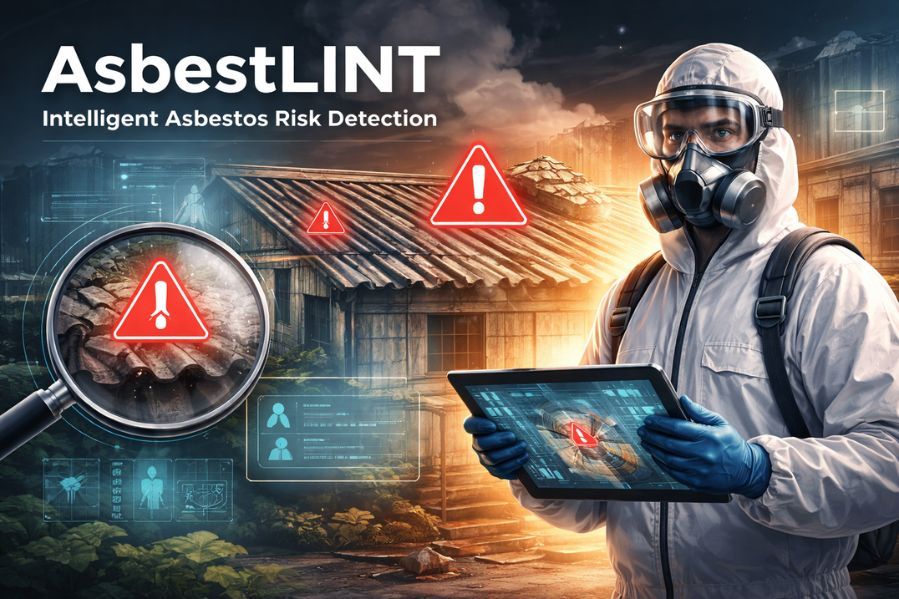
Technology is playing an increasingly important role in addressing asbestlint. From advanced detection tools to data-driven risk management platforms, innovation is making it easier to identify and mitigate hazards.
For example, sensor-based systems can monitor air quality in real time, detecting the presence of harmful particles. Software platforms can track compliance, schedule inspections, and manage documentation.
For tech entrepreneurs, this represents an opportunity. Developing solutions that address environmental and safety challenges can create significant value. As regulations become stricter and awareness grows, demand for such technologies will increase.
Asbestlint as a Strategic Consideration for Startups
For startups, the concept of asbestlint may seem distant from core business objectives. However, it intersects with several key areas, including operations, risk management, and brand reputation.
Ignoring environmental risks can lead to unexpected disruptions, financial losses, and reputational damage. On the other hand, proactively addressing these risks can create a competitive advantage.
Investors and stakeholders are increasingly evaluating companies based on their environmental and social impact. Demonstrating a commitment to safety and sustainability can enhance credibility and attract investment.
Building a Culture of Awareness
Addressing asbestlint is not just about policies and procedures—it’s about culture. Organizations must foster awareness among employees and stakeholders.
This includes training, clear communication, and accessible resources. Employees should understand the risks and know how to respond if they encounter potential hazards.
A culture of awareness also encourages accountability. When everyone understands the importance of safety, it becomes a shared responsibility.
The Future of Asbestlint Management
As industries evolve, so too will the approaches to managing asbestlint. Advances in materials science may reduce reliance on hazardous substances altogether. At the same time, improved detection and mitigation technologies will enhance safety.
For businesses, staying ahead of these trends is essential. Those who invest in proactive strategies today will be better positioned to navigate future challenges.
In many ways, asbestlint represents a broader shift in how businesses think about risk. It’s no longer enough to focus solely on financial performance environmental and health considerations are equally important.
Conclusion
Asbestlint may not be a headline-grabbing topic, but its implications are significant. For startups, entrepreneurs, and tech professionals, it serves as a reminder that growth must be built on a foundation of safety and responsibility.
By understanding the risks, implementing effective management strategies, and leveraging technology, businesses can turn a potential liability into an opportunity for leadership.
In a world where trust and sustainability matter more than ever, addressing issues like asbestlint is not just the right thing to do it’s the smart thing to do.