










In a world obsessed with software, startups, and digital disruption, it’s easy to overlook the foundational layer that keeps everything running—commodities. Yet behind every app, every supply chain, and every technological breakthrough lies a network of raw materials powering the global economy. From energy and metals to agricultural goods, commodities are not just relics of industrial markets—they are critical drivers of innovation and growth in the digital age.
For entrepreneurs and tech professionals, understanding commodities is no longer optional. Whether you’re building hardware, scaling a logistics platform, or investing in emerging markets, commodities influence costs, risks, and opportunities in ways that can shape your entire business trajectory.
What Are Commodities and Why They Matter
At their core, commodities are basic goods used in commerce that are interchangeable with others of the same type. Think crude oil, wheat, gold, or natural gas. These resources are standardized, traded globally, and form the building blocks of countless industries.
What makes commodities particularly important is their universality. Unlike branded products, commodities are valued primarily for their intrinsic qualities. A barrel of oil or a ton of steel is essentially the same regardless of where it comes from, making pricing largely driven by supply and demand dynamics.
For startups, commodities often represent a hidden variable. The cost of raw materials can directly impact production expenses, pricing strategies, and profitability. In industries like manufacturing, energy, and food tech, fluctuations in commodity prices can mean the difference between scaling successfully and struggling to survive.
The Evolution of Commodities in a Digital Economy
Historically, commodities were associated with traditional industries—mining, agriculture, and energy. However, the rise of technology has transformed how commodities are produced, traded, and consumed.
Today, commodities markets are deeply intertwined with digital systems. Advanced analytics, algorithmic trading, and real-time data have made markets more efficient but also more complex. For example, commodity traders now use AI-driven models to predict price movements based on weather patterns, geopolitical events, and economic indicators.
This evolution has also expanded the definition of commodities. Rare earth metals, essential for electronics and renewable energy technologies, have become increasingly important. Lithium, for instance, is now a strategic resource due to its role in battery production.
For tech entrepreneurs, this shift opens new opportunities. Understanding how commodities intersect with technology can lead to innovative solutions and competitive advantages.
Types of Commodities and Their Role in Business
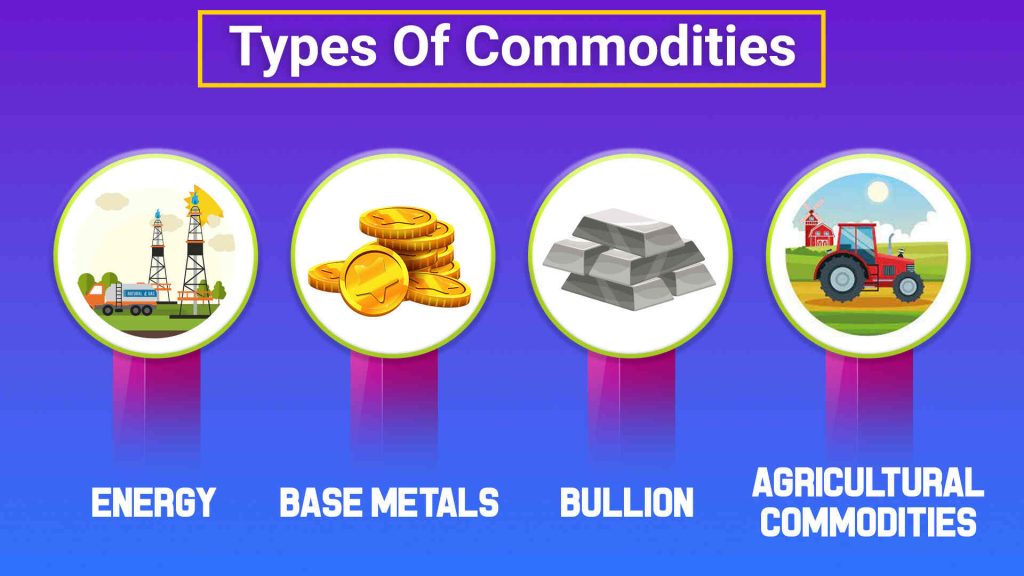
Commodities are typically divided into four main categories: energy, metals, agriculture, and livestock. Each plays a unique role in the global economy and has distinct implications for businesses.
Energy commodities like oil and natural gas power industries and transportation systems. Metals such as copper and aluminum are essential for construction and electronics. Agricultural commodities like wheat and corn sustain food supply chains, while livestock supports the meat and dairy industries.
For startups, the relevance of these categories depends on their business model. A hardware startup may be more concerned with metals, while a food delivery platform might be impacted by agricultural prices.
Understanding these distinctions allows businesses to anticipate risks and make informed decisions.
Commodities vs Traditional Assets
To better understand commodities, it’s useful to compare them with other asset classes such as stocks and bonds.
| Aspect | Commodities | Traditional Assets |
|---|---|---|
| Nature | Physical goods | Financial instruments |
| Value Drivers | Supply and demand | Company performance, interest rates |
| Volatility | Often high | Varies by asset type |
| Inflation Hedge | Strong | Moderate |
| Tangibility | Tangible | Intangible |
This comparison highlights why commodities are often used as a hedge against inflation. When prices rise, the value of physical goods tends to increase, providing a buffer for investors and businesses.
The Impact of Commodities on Startups
For startups, commodities influence more than just costs—they shape strategy. A company building electric vehicles, for example, must consider the availability and price of lithium and cobalt. Similarly, a construction startup must account for fluctuations in steel and cement prices.
These factors can affect everything from product design to supply chain management. In some cases, startups may even pivot their business models to adapt to changing commodity conditions.
Moreover, commodities can create opportunities. Startups that find ways to optimize resource use, reduce waste, or develop alternative materials can gain a competitive edge.
Technology and the Commodities Market
Technology is reshaping the commodities landscape in profound ways. From blockchain to artificial intelligence, digital tools are improving transparency, efficiency, and accessibility.
Blockchain, for instance, is being used to track the origin and movement of commodities, ensuring authenticity and reducing fraud. This is particularly important in industries where ethical sourcing is a concern.
AI and machine learning are enabling more accurate forecasting, helping businesses anticipate price changes and adjust their strategies accordingly. For startups, these technologies can provide valuable insights without requiring massive resources.
Additionally, digital platforms are democratizing access to commodities markets. What was once the domain of large institutions is now accessible to smaller players, including startups and individual investors.
Challenges in the Commodities Space
Despite their importance, commodities come with inherent challenges. Price volatility is one of the most significant. Factors such as geopolitical tensions, natural disasters, and economic shifts can cause sudden fluctuations.
For businesses, this unpredictability can complicate planning and budgeting. Managing risk becomes essential, often requiring hedging strategies or long-term contracts.
Sustainability is another major issue. The extraction and production of commodities can have significant environmental impacts. As consumers and regulators demand more sustainable practices, businesses must adapt.
Supply chain disruptions also pose risks. Events like pandemics or trade conflicts can interrupt the flow of commodities, affecting availability and prices.
Strategic Approaches to Managing Commodities
To navigate these challenges, businesses must adopt strategic approaches to managing commodities. This includes diversifying suppliers, investing in technology, and building resilient supply chains.
For example, a startup might source materials from multiple regions to reduce dependency on a single supplier. It might also use data analytics to monitor market trends and anticipate changes.
Another approach is vertical integration, where companies take control of multiple stages of the supply chain. While this requires significant investment, it can provide greater stability and control.
The Future of Commodities
Looking ahead, the role of commodities is set to evolve further. The transition to renewable energy is driving demand for certain resources, such as lithium, cobalt, and rare earth elements. At the same time, traditional energy commodities are facing increasing scrutiny.
Sustainability will be a defining factor. Businesses that prioritize ethical sourcing and environmental responsibility will be better positioned to succeed.
Digital transformation will continue to shape the market. As technology advances, commodities trading and management will become more efficient and accessible.
For entrepreneurs, this presents both challenges and opportunities. Those who understand these trends can position themselves at the forefront of innovation.
Why Commodities Are a Strategic Imperative
For modern businesses, commodities are not just inputs—they are strategic assets. They influence costs, shape markets, and create opportunities for innovation.
Understanding commodities allows entrepreneurs to make better decisions, manage risks, and identify new avenues for growth. It also provides a deeper understanding of the global economy and its interconnected systems.
In a world where disruption is constant, having a strong grasp of commodities can be a significant advantage.
Conclusion
Commodities may not always be visible, but their impact is undeniable. They power industries, drive innovation, and shape the global economy. For startups and tech professionals, understanding commodities is essential for navigating today’s complex business landscape.
By integrating commodity insights into their strategies, businesses can reduce risks, optimize operations, and unlock new opportunities. In the end, commodities are not just resources—they are the foundation upon which modern innovation is built.