









The first time I bought koriandri, it wasn’t because I had a recipe that needed it. I simply noticed a bunch of fresh green leaves sitting next to other herbs at a local market. The seller told me it was one of the most commonly used herbs in home cooking and suggested I try adding it to salads and soups.
I took it home without really knowing what to do with it.
A few days later, after experimenting with different meals, I realized I had been missing out on one of the easiest ways to add freshness and flavor to everyday food. Since then, koriandri has become a regular ingredient in my kitchen.
If you’ve heard the word “koriandri” and are curious about what it is, how people use it, and why it has become so popular in many cuisines, this guide will help you understand everything in simple terms.
What Is Koriandri?
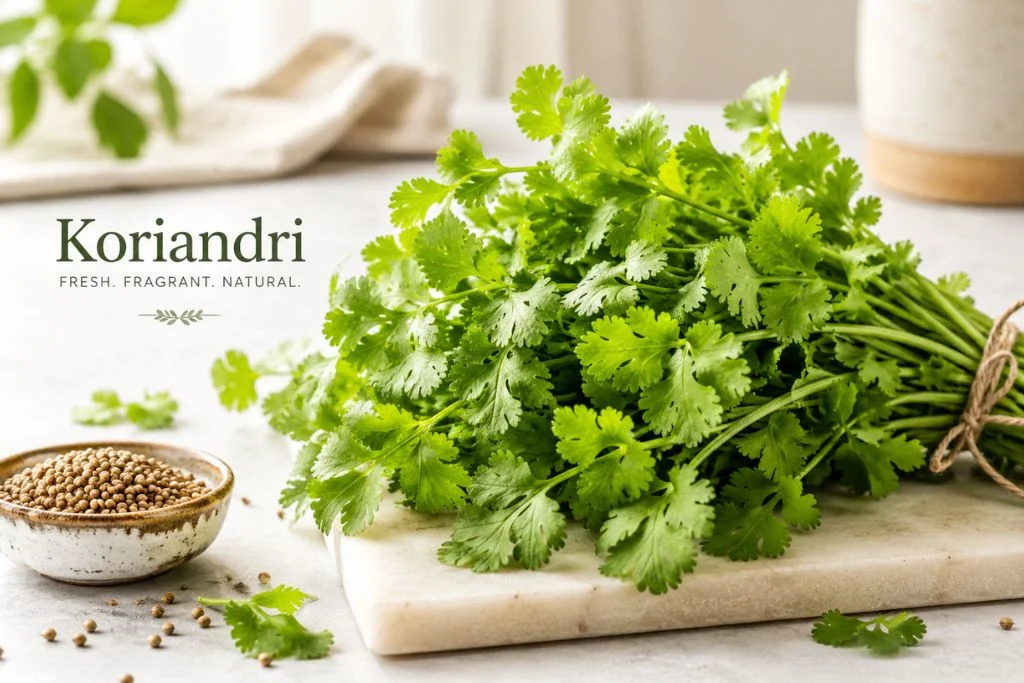
Koriandri is another name used in some regions for coriander, a herb known for its bright green leaves and distinctive aroma. Depending on where you live, you may also hear it called cilantro.
The leaves are commonly used fresh, while the seeds are often dried and ground into spice blends.
What makes koriandri special is its versatility. You can add it to soups, curries, rice dishes, salads, sandwiches, sauces, and even some drinks.
Unlike stronger herbs that can overpower a dish, koriandri usually adds a fresh, light flavor that complements other ingredients.
My First Experience Using Koriandri
One of the biggest mistakes I made was treating koriandri like lettuce.
I chopped a huge amount and added it to a simple salad. The flavor became much stronger than I expected. While it wasn’t terrible, it taught me an important lesson: a little koriandri can go a long way.
The next time, I used just a handful of finely chopped leaves over a bowl of lentil soup. The difference was incredible. The soup tasted fresher and more vibrant without changing the entire dish.
That’s when I understood why so many home cooks keep it on hand.
Why People Love Koriandri
After talking with friends, watching cooking videos, and trying different recipes myself, I noticed several reasons people enjoy using koriandri regularly.
Fresh Flavor
The herb adds brightness to food that might otherwise taste heavy or bland.
Works With Many Dishes
Whether you’re cooking vegetables, meat, seafood, rice, or beans, koriandri often fits naturally into the recipe.
Affordable
Compared to many specialty herbs, koriandri is usually inexpensive and widely available.
Easy to Grow
Many people successfully grow it in small pots on balconies, patios, or kitchen windowsills.
Common Ways to Use Koriandri
Over the years, I’ve found several easy ways to include koriandri in meals.
1. As a Garnish
This is probably the simplest option.
Chop a small amount and sprinkle it over:
- Soups
- Curries
- Rice dishes
- Roasted vegetables
- Noodles
The fresh leaves instantly improve presentation and flavor.
2. In Salads
Koriandri pairs well with:
- Tomatoes
- Cucumbers
- Onions
- Avocados
- Chickpeas
A small handful mixed into a salad creates a refreshing taste.
3. In Homemade Sauces
One of my favorite discoveries was blending koriandri into simple sauces.
Combine:
- Fresh koriandri
- Lemon juice
- Garlic
- Olive oil
- Salt
Blend everything together and you’ll have a versatile sauce for vegetables, grilled foods, or sandwiches.
4. In Soups
Add chopped koriandri just before serving.
Doing this preserves its freshness and aroma.
5. In Rice Dishes
A little chopped koriandri stirred into cooked rice can completely change the flavor profile without requiring extra effort.
Growing Koriandri at Home
A few years ago, I decided to grow my own koriandri.
I expected it to be complicated.
It wasn’t.
Step 1: Choose a Pot
Any medium-sized container with drainage holes works well.
Step 2: Use Good Soil
Well-draining potting soil generally produces better results.
Step 3: Plant Seeds
Scatter the seeds lightly and cover them with a thin layer of soil.
Step 4: Water Consistently
Keep the soil slightly moist but avoid overwatering.
Step 5: Provide Sunlight
A location with several hours of sunlight daily usually works best.
Within a few weeks, I started seeing fresh green shoots emerge.
Harvesting herbs from your own plant feels surprisingly rewarding.
Mistakes I Made With Koriandri
Learning how to use koriandri effectively took some trial and error.
Here are a few mistakes worth avoiding.
Adding Too Much
Because the flavor can be quite noticeable, large quantities may overwhelm a dish.
Start small and increase gradually.
Cooking It Too Long
Extended cooking reduces the fresh flavor.
For many recipes, adding koriandri near the end works better.
Storing It Incorrectly
I used to leave it loose in the refrigerator.
The leaves wilted quickly.
Wrapping koriandri in a slightly damp paper towel before refrigeration helped it stay fresh longer.
Ignoring the Stems
Many people discard the stems.
In reality, tender stems contain flavor and can often be used along with the leaves.
Koriandri in Different Cuisines
One thing that fascinates me is how many cultures use koriandri in their cooking.
You’ll often find it in:
- South Asian dishes
- Middle Eastern recipes
- Mexican cuisine
- Southeast Asian meals
- Mediterranean foods
Each region uses it differently, yet the goal is often the same: adding freshness and balance.
Health and Nutrition
While most people use koriandri primarily for flavor, it also contains nutrients that contribute to a balanced diet.
Fresh coriander leaves contain:
- Vitamin A
- Vitamin C
- Vitamin K
- Antioxidants
- Small amounts of minerals
Of course, herbs are usually consumed in small quantities, so they shouldn’t be viewed as a miracle food.
Still, incorporating fresh herbs into meals is generally a positive habit.
Easy Beginner Recipe
If you’re new to koriandri, this simple recipe is a great place to start.
Fresh Koriandri Salad
Ingredients:
- 2 tomatoes
- 1 cucumber
- Small handful of koriandri
- Juice of one lemon
- Salt to taste
Instructions:
- Chop the tomatoes and cucumber.
- Finely chop the koriandri.
- Combine everything in a bowl.
- Add lemon juice and salt.
- Mix gently and serve.
This takes less than ten minutes and highlights the herb’s fresh flavor.
Is Koriandri Worth Keeping in Your Kitchen?
Based on my experience, absolutely.
It doesn’t require complicated cooking techniques, expensive equipment, or advanced culinary skills.
A small amount can improve the taste, appearance, and freshness of everyday meals.
Whether you’re making soup, rice, salads, sandwiches, or sauces, koriandri is one of those ingredients that quietly makes food better.
If you’ve never used it before, start with a simple recipe and experiment gradually. You may discover, just as I did, that this humble herb becomes one of the most frequently used ingre