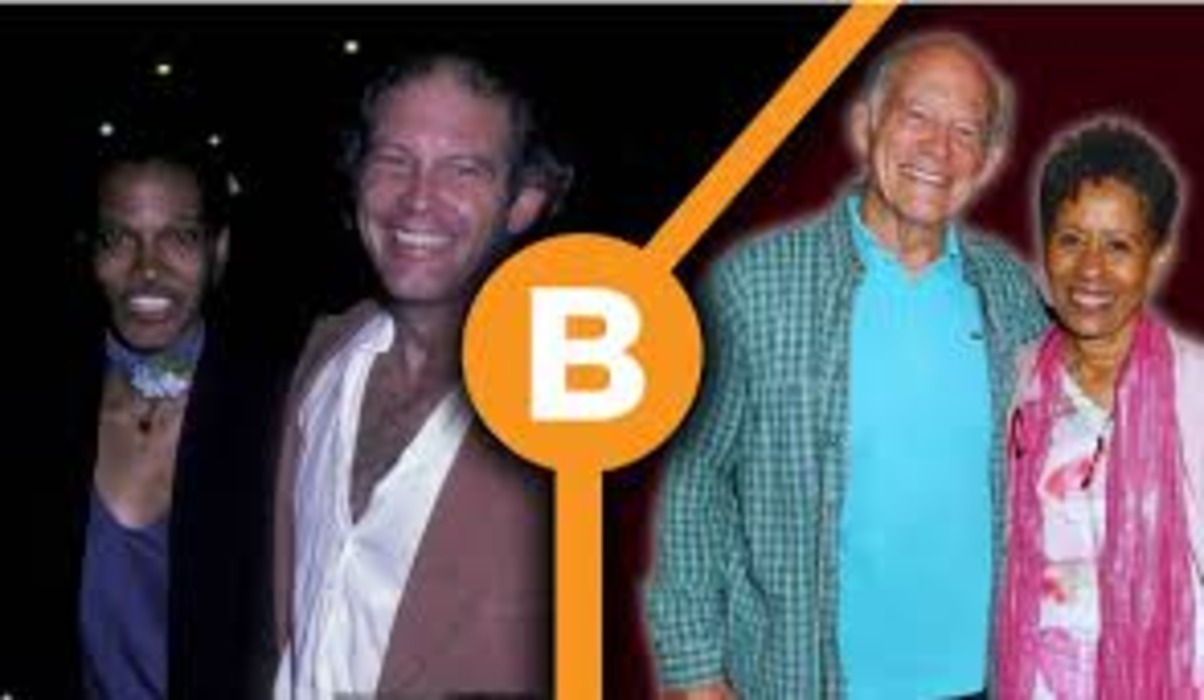











A while back, I was researching celebrity family stories for a small entertainment blog project, and one name kept appearing in search suggestions over and over again: Laurie Holmond.
At first, I barely recognized the name myself.
Usually, when someone trends online, there’s a flood of interviews, public appearances, and social media content attached to them. But Laurie Holmond felt different. The more I searched, the more I realized people weren’t looking for a celebrity career or viral scandal. They were searching because they were curious about a person connected to a much larger public story.
That’s what pulled me in.
And honestly, researching Laurie Holmond reminded me how complicated fame can become for people who never actively asked for public attention in the first place.
How I First Came Across Laurie Holmond
I was deep into one of those late-night internet research sessions where one article leads to another, and suddenly you’ve opened twelve tabs without realizing it.
I had been reading about Snoop Dogg and his personal life when Laurie Holmond’s name appeared in discussions related to family history and long-standing public curiosity.
What stood out immediately was how little direct public exposure she seemed to seek compared to the level of interest surrounding her name.
That contrast fascinated me.
These days, many people chase visibility online. But occasionally, someone becomes widely searched simply because of their connection to a public figure.
Laurie Holmond appears to fit that category.
The Internet Has Changed How Private People Experience Attention
One thing I’ve noticed over the years is that internet culture doesn’t really separate “public curiosity” from “public life” anymore.
A person doesn’t necessarily need to be famous themselves to become heavily searched online.
Sometimes association alone creates attention.
And honestly, that can become overwhelming quickly.
While researching Laurie Holmond, I started thinking about how strange it must feel to have thousands of people searching your name even if you’ve chosen a relatively private lifestyle.
That’s something many people probably don’t consider enough.
Why People Search for Laurie Holmond
From what I observed during my research, curiosity around Laurie Holmond mostly comes from her connection to Snoop Dogg’s personal history and family discussions over the years.
But the searches also reflect something broader:
People are deeply curious about the human side of celebrities.
Not just the music, movies, or interviews.
They want to understand relationships, family dynamics, personal struggles, and untold stories behind public figures.
That curiosity isn’t always malicious either.
Sometimes people simply want context.
My Biggest Mistake While Researching Celebrity-Connected Stories
Years ago, whenever I researched celebrity-related topics, I made the mistake of believing every dramatic headline I saw.
That’s dangerous.
Entertainment websites often exaggerate stories because emotional headlines attract clicks.
Over time, I learned to slow down and focus on verified information instead of online rumors.
While researching Laurie Holmond, I noticed how easily speculation spreads when there’s limited public information available.
People start filling gaps with assumptions.
That happens constantly online.
What I Learned About Privacy From This Experience
This topic genuinely made me rethink how internet fame works.
We often assume only celebrities deal with public pressure, but that’s not entirely true anymore.
Family members, former partners, and even old friends of famous people can suddenly become subjects of intense online curiosity.
And unlike celebrities, many of them never trained for public attention or media scrutiny.
That must be incredibly difficult.
I noticed this especially while browsing discussions on platforms like:
- YouTube
- TikTok
People often discuss personal lives casually without realizing there are real humans behind those conversations.
The Strange Side of Online Curiosity
One thing I’ve personally noticed is that mysterious or less-visible figures often generate more curiosity than fully public celebrities.
It sounds backward, but it’s true.
When information feels incomplete, people naturally search harder.
The brain wants closure.
That’s why names connected to famous figures can trend repeatedly even years later.
The mystery itself keeps interest alive.
A Real-Life Observation That Changed My Perspective
A few years ago, someone I knew locally became loosely connected to a viral news story.
They weren’t famous at all, but because of one public connection, strangers suddenly started searching their social media accounts and discussing them online.
Watching that happen firsthand completely changed how I think about internet attention.
It made me realize how quickly ordinary people can lose privacy online.
That experience came back to mind while researching Laurie Holmond because the pattern felt similar.
Public curiosity spreads incredibly fast now.
Why Celebrity Family Stories Attract Attention
Honestly, I think people search these stories because fame feels more relatable when family enters the picture.
Celebrity lifestyles often feel distant and unrealistic.
But relationships, parenting, personal history, and family challenges feel human.
That emotional connection draws people in.
Even fans who admire successful celebrities often become more interested in the personal side of their lives than the professional side eventually.
How I Research Public Figures More Carefully Now
Over time, I developed a few personal rules when reading about public personalities or celebrity-connected individuals.
Step 1: Separate Facts From Rumors
This sounds obvious, but it matters.
A repeated rumor does not automatically become true.
I always try tracing stories back to credible interviews or verified statements whenever possible.
Step 2: Respect Privacy Boundaries
Just because information exists online doesn’t mean every detail deserves amplification.
That mindset changed how I approach content creation entirely.
Step 3: Avoid Overdramatizing Human Situations
Family relationships are complicated enough privately.
The internet often turns ordinary emotional situations into entertainment, which can distort reality badly.
One Unexpected Thing I Learned
Researching Laurie Holmond reminded me that internet attention isn’t always intentional.
Some people become searchable topics simply because public curiosity attaches itself to their name.
That’s very different from actively seeking fame.
And honestly, I think audiences sometimes forget that distinction.
Social Media Makes Curiosity More Intense
Years ago, public interest moved slower.
Now algorithms accelerate everything.
A single viral clip, comment section debate, or reposted interview can suddenly send thousands of people searching someone’s name overnight.
Platforms reward emotional engagement, which means personal stories often spread faster than balanced ones.
I’ve watched this happen repeatedly with celebrity-adjacent figures.
Common Mistakes People Make When Researching Public Figures
I’ve made some of these mistakes myself in the past.
Assuming Silence Means Mystery
Sometimes people stay private simply because they value normal life.
Not every quiet person is hiding dramatic secrets.
Believing Viral Narratives Too Quickly
Social media often prioritizes entertainment over accuracy.
That’s important to remember.
Forgetting Real People Are Involved
This might be the biggest one.
Online discussions can feel detached from reality, but public curiosity still affects real individuals and families.
The Bigger Lesson This Topic Taught Me
The more I researched Laurie Holmond, the more I realized this story reflects something larger about modern internet culture.
People are deeply interested in the human side of fame.
But curiosity and respect need balance.
That balance is easy to lose online.
I’ve caught myself falling too deeply into celebrity rabbit holes before, forgetting there are actual people living behind those headlines and search terms.
Researching this topic reminded me to approach public-interest stories more thoughtfully.
Final Thoughts
Laurie Holmond continues to attract online searches not because she constantly seeks attention, but because people remain curious about the personal stories connected to major public figures.
And honestly, that curiosity says just as much about internet culture as it does about celebrity life itself.
The modern web turns names into searchable narratives incredibly quickly.
Sometimes those narratives are accurate.
Sometimes they’re exaggerated.
Sometimes they’re simply incomplete.
What matters is learning how to approach them responsibly.
For me, researching Laurie Holmond became less about celebrity gossip and more about understanding how fame, privacy, and online curiosity collide in ways that affect real people every day.