










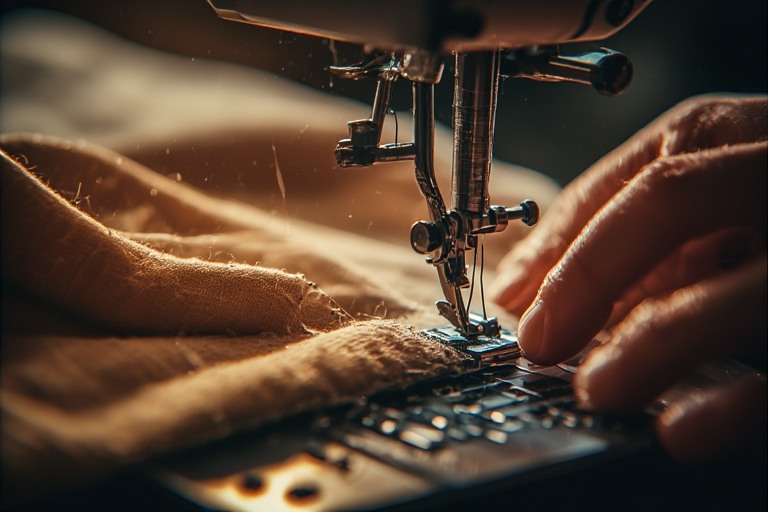
In the world of product creation—whether in fashion, manufacturing, or advanced materials—details define success. One such detail, often overlooked outside specialist circles, is nahttypen, the German term for seam types. While it may sound niche, nahttypen plays a critical role in everything from garment durability to industrial design efficiency. For startup founders, entrepreneurs, and tech professionals exploring product development, understanding seam construction is more relevant than it first appears.
The difference between a product that lasts and one that fails often comes down to how it is assembled. Seams are not just functional—they are structural, aesthetic, and strategic. In that sense, nahttypen becomes a lens through which we can better understand quality, scalability, and innovation in physical products.
What Are Nahttypen?
At its simplest, nahttypen refers to the different types of seams used to join materials together. These seams vary in structure, strength, flexibility, and appearance, depending on their intended use.
In textiles, nahttypen determines how fabrics behave under stress, how they look when finished, and how comfortable they feel to the user. In industrial applications, seam types can affect everything from product lifespan to safety compliance.
For example, a seam used in athletic wear must allow flexibility and movement, while one used in heavy-duty equipment must prioritize strength and durability. The choice of seam is never arbitrary—it is a calculated decision based on function and context.
Why Nahttypen Matters Beyond Fashion
At first glance, nahttypen may seem relevant only to designers and manufacturers. However, its implications extend far beyond those industries.
For startups building physical products, seam construction can influence production costs, scalability, and customer satisfaction. A poorly chosen seam can lead to product failure, returns, and reputational damage.
For entrepreneurs, understanding nahttypen can provide a competitive edge. It allows for better communication with manufacturers, more informed design decisions, and improved product quality.
Even in tech-driven industries, where hardware and wearables are becoming more common, seam types play a role. Devices integrated into clothing or flexible materials rely heavily on precise construction techniques.
The Core Types of Nahttypen
To fully appreciate the concept, it’s important to explore the main categories of nahttypen. Each type serves a specific purpose and offers distinct advantages.
The plain seam is the most basic and widely used. It joins two pieces of fabric together with a simple stitch. While cost-effective, it may require reinforcement for durability.
The French seam encloses raw edges within the seam itself, creating a clean and polished finish. It is often used in high-end garments where aesthetics and comfort are priorities.
The flat-felled seam is known for its strength and durability. Commonly found in denim, it provides a secure and long-lasting join.
The overlock seam uses specialized machinery to prevent fabric from fraying. It is widely used in mass production due to its efficiency.
Finally, the bound seam adds an extra layer of fabric to encase the edges, offering both durability and a refined appearance.
Comparing Key Nahttypen
To better understand how these seam types differ, consider the following comparison:
| Seam Type | Strength | Flexibility | Aesthetic Finish | Common Use Cases |
|---|---|---|---|---|
| Plain Seam | Moderate | High | Basic | Everyday garments |
| French Seam | Moderate | Moderate | Clean, refined | Luxury clothing |
| Flat-Felled Seam | High | Moderate | Structured | Denim, workwear |
| Overlock Seam | Moderate | High | Functional | Knitwear, mass production |
| Bound Seam | High | Low | Premium | Outerwear, specialty products |
This table illustrates how nahttypen is not just about construction—it’s about aligning design choices with product goals.
Nahttypen in Modern Product Development
As industries evolve, so does the application of nahttypen.
In sustainable fashion, seam types are being re-evaluated to reduce waste and improve recyclability. Designers are choosing seams that allow garments to be disassembled more easily.
In wearable technology, seams must accommodate embedded sensors and electronic components. This requires a blend of traditional craftsmanship and advanced engineering.
In automotive and aerospace industries, seam construction plays a role in material performance and safety. High-strength seams are critical in components that must withstand extreme conditions.
For startups, these developments highlight an important point: nahttypen is not static. It evolves alongside technology and market demands.
The Business Impact of Choosing the Right Nahttypen
From a business perspective, seam selection can have far-reaching consequences.
Production efficiency is one key factor. Some seam types are faster and cheaper to produce, making them ideal for large-scale manufacturing. Others require more time and expertise but deliver higher quality.
Cost management is another consideration. While premium seams may increase production costs, they can also enhance product value and reduce returns.
Brand positioning is also influenced by nahttypen. High-end brands often use more sophisticated seam types to signal quality and craftsmanship.
For entrepreneurs, these decisions are strategic. They affect not only the product itself but also how it is perceived in the market.
Challenges in Working with Nahttypen
Despite its importance, working with nahttypen comes with challenges.
One of the main difficulties is balancing cost and quality. High-quality seams often require more resources, which can be challenging for startups with limited budgets.
There is also the issue of technical expertise. Understanding and implementing different seam types requires specialized knowledge.
Another challenge is scalability. A seam that works well in small-scale production may not be suitable for mass manufacturing.
Finally, there is the need for collaboration. Designers, engineers, and manufacturers must work together to ensure that seam choices align with overall product goals.
Opportunities for Innovation
While challenges exist, nahttypen also presents opportunities for innovation.
New materials and technologies are enabling the development of advanced seam types that offer improved performance and sustainability.
Automation is making it easier to produce complex seams at scale, reducing costs and increasing consistency.
There is also potential for innovation in design. By rethinking how seams are used, companies can create products that stand out in both function and appearance.
For startups, this is an opportunity to differentiate. By paying attention to details like seam construction, they can deliver products that exceed expectations.
Integrating Nahttypen into Your Strategy
For founders and product teams, integrating nahttypen into the development process starts with awareness.
Understanding the different seam types and their applications is the first step. From there, it’s about aligning those choices with product goals.
Prototyping is essential. Testing different seam types can reveal insights that are not immediately obvious.
Collaboration with manufacturers is also critical. Their expertise can help refine designs and ensure feasibility.
Most importantly, seam selection should be treated as a strategic decision, not an afterthought.
The Future of Nahttypen
Looking ahead, nahttypen will continue to evolve as industries innovate.
Advancements in materials science, automation, and design will open new possibilities for seam construction.
Sustainability will also play a major role. Seam types that support recycling and reduce waste will become increasingly important.
For businesses, staying ahead of these trends will be key. Those who understand and leverage nahttypen effectively will be better positioned to innovate and compete.
Conclusion
Nahttypen may seem like a technical detail, but it is a foundational element of product design and manufacturing. It influences durability, aesthetics, cost, and overall quality.
For startup founders, entrepreneurs, and tech professionals, understanding seam types is not just about craftsmanship—it’s about strategy. It’s about making informed decisions that enhance products and strengthen brands.
In a competitive market, success often comes down to the details. And as nahttypen demonstrates, even the smallest details can have a significant impact.