










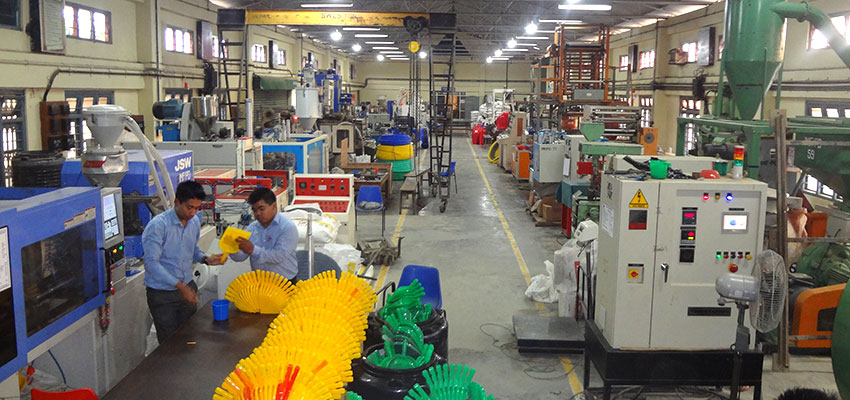
Walk into any modern manufacturing facility, and you’ll find a quiet but powerful role driving efficiency, quality, and innovation—the plastic processing operator. While startup founders and tech professionals often focus on software, automation, and AI, the reality is that physical production still underpins much of the global economy. And at the center of that production, especially in industries ranging from automotive to consumer electronics, is the plastic processing operator.
In a world increasingly shaped by advanced materials and scalable production, understanding this role offers valuable insight into how products are actually made—and how businesses can optimize, innovate, and scale in tangible ways.
What Does a Plastic Processing Operator Really Do?
A plastic processing operator is responsible for managing and overseeing the machinery and processes that convert raw plastic materials into finished or semi-finished products. This includes operating equipment such as injection molding machines, extrusion systems, and blow molding units.
But the role goes far beyond simply running machines. A skilled plastic processing operator ensures that production meets strict quality standards, minimizes waste, and maintains efficiency under tight deadlines. They monitor temperature, pressure, and timing variables—each of which can dramatically affect the final product.
For startups entering manufacturing or hardware production, this role becomes critical. A single miscalibration can result in defective products, increased costs, and delayed timelines. In contrast, a highly skilled operator can optimize processes in ways that significantly improve margins and product consistency.
Why the Plastic Processing Operator Matters in a Tech-Driven Economy
At first glance, the role might seem purely industrial. However, the modern plastic processing operator operates at the intersection of technology and manufacturing. Today’s machines are often digitally controlled, equipped with sensors, and integrated into broader production systems.
This means operators are not just technicians—they are increasingly data-driven decision-makers. They interpret machine data, troubleshoot issues in real time, and collaborate with engineers to refine production processes.
For entrepreneurs building hardware startups or IoT devices, this is particularly relevant. The success of a product doesn’t just depend on design—it depends on how reliably and efficiently it can be manufactured at scale. That’s where the expertise of a plastic processing operator becomes invaluable.
The Core Skills of a Plastic Processing Operator
To understand the strategic importance of this role, it helps to look at the skill set involved. A modern plastic processing operator combines technical knowledge with practical problem-solving abilities.
They must understand different types of plastics and how they behave under various conditions. Materials like polyethylene, polypropylene, and ABS each require specific handling techniques. Operators also need to be familiar with machine settings and maintenance procedures.
Equally important is attention to detail. Small variations in temperature or pressure can lead to defects such as warping, bubbles, or weak structural integrity. A skilled operator can detect and correct these issues before they escalate.
Communication is another key skill. Operators often work closely with engineers, quality control teams, and production managers. Clear communication ensures that problems are addressed quickly and efficiently.
Plastic Processing Operator and Modern Manufacturing Technologies
The role of the plastic processing operator has evolved significantly with the rise of advanced manufacturing technologies. Automation, robotics, and IoT systems have transformed production environments.
In many facilities, machines are now equipped with sensors that provide real-time data on performance and output. Operators use this data to make informed adjustments, improving efficiency and reducing downtime.
Artificial intelligence is also beginning to play a role. Predictive maintenance systems can alert operators to potential equipment failures before they occur. This reduces costly interruptions and extends the lifespan of machinery.
For tech professionals, this evolution highlights an important trend: manufacturing is becoming increasingly digital. The plastic processing operator is no longer just a machine operator—they are a key player in a data-driven ecosystem.
Comparing Traditional vs Modern Plastic Processing Roles
To better understand how the role has evolved, consider the following comparison:
| Aspect | Traditional Operator | Modern Plastic Processing Operator |
|---|---|---|
| Machine Control | Manual adjustments | Digital and automated systems |
| Data Usage | Minimal | Real-time analytics |
| Problem Solving | Reactive | Predictive and proactive |
| Skill Requirements | Mechanical focus | Technical + digital expertise |
| Efficiency Optimization | Limited | Continuous improvement mindset |
This shift reflects broader changes in manufacturing. As technology advances, the expectations placed on operators continue to grow.
The Role in Startup and Scale-Up Environments
For startups, especially those in hardware or product-based industries, the plastic processing operator can be a strategic asset. Early-stage companies often underestimate the complexity of manufacturing, focusing heavily on design and prototyping.
However, scaling production introduces new challenges. Consistency, cost control, and speed become critical. A skilled operator can bridge the gap between prototype and mass production, ensuring that products meet quality standards at scale.
In many cases, operators contribute to process innovation. They identify inefficiencies, suggest improvements, and help implement new techniques. This hands-on expertise can be a competitive advantage for startups looking to differentiate themselves.
Challenges Faced by Plastic Processing Operators
Despite its importance, the role comes with challenges. One of the biggest is keeping up with rapidly changing technology. Operators must continuously update their skills to stay relevant.
Another challenge is maintaining quality under pressure. Production deadlines can be tight, and even minor errors can have significant consequences. This requires a high level of focus and discipline.
Sustainability is also becoming a major concern. As industries move toward eco-friendly practices, operators must adapt to new materials and processes. Biodegradable plastics and recycling systems introduce additional complexity.
For businesses, supporting operators through training and investment in modern equipment is essential. This not only improves performance but also enhances job satisfaction and retention.
Opportunities for Innovation
The evolving role of the plastic processing operator presents opportunities for innovation. Startups and tech companies can develop tools and platforms that enhance operator capabilities.
For example, augmented reality (AR) systems can provide real-time guidance during machine setup and maintenance. This reduces errors and speeds up training.
Cloud-based platforms can centralize data from multiple machines, allowing operators to monitor and optimize production more effectively. These innovations align with the broader trend of Industry 4.0.
Entrepreneurs who understand the needs of plastic processing operators can create solutions that drive efficiency and unlock new value in manufacturing.
The Future of the Plastic Processing Operator
Looking ahead, the role of the plastic processing operator will continue to evolve. As automation increases, some tasks may become fully automated. However, the need for skilled human oversight will remain.
Operators will increasingly act as system managers rather than machine operators. They will oversee complex networks of automated systems, making strategic decisions based on data insights.
Sustainability will also shape the future of the role. Operators will need to work with new materials and processes that reduce environmental impact. This includes recycling technologies and energy-efficient production methods.
For tech professionals and entrepreneurs, this presents an opportunity to collaborate with manufacturing experts. By combining digital innovation with practical expertise, businesses can create more efficient and sustainable production systems.
Conclusion
The plastic processing operator may not always be in the spotlight, but their impact on modern manufacturing is undeniable. From ensuring product quality to optimizing production processes, they play a critical role in turning ideas into reality.
For startups and tech-driven businesses, understanding this role provides valuable insight into the complexities of scaling physical products. It highlights the importance of combining technology with hands-on expertise.
As manufacturing continues to evolve, the plastic processing operator will remain a key player—bridging the gap between innovation and execution. Those who recognize and leverage this role will be better positioned to succeed in an increasingly competitive landscape.